

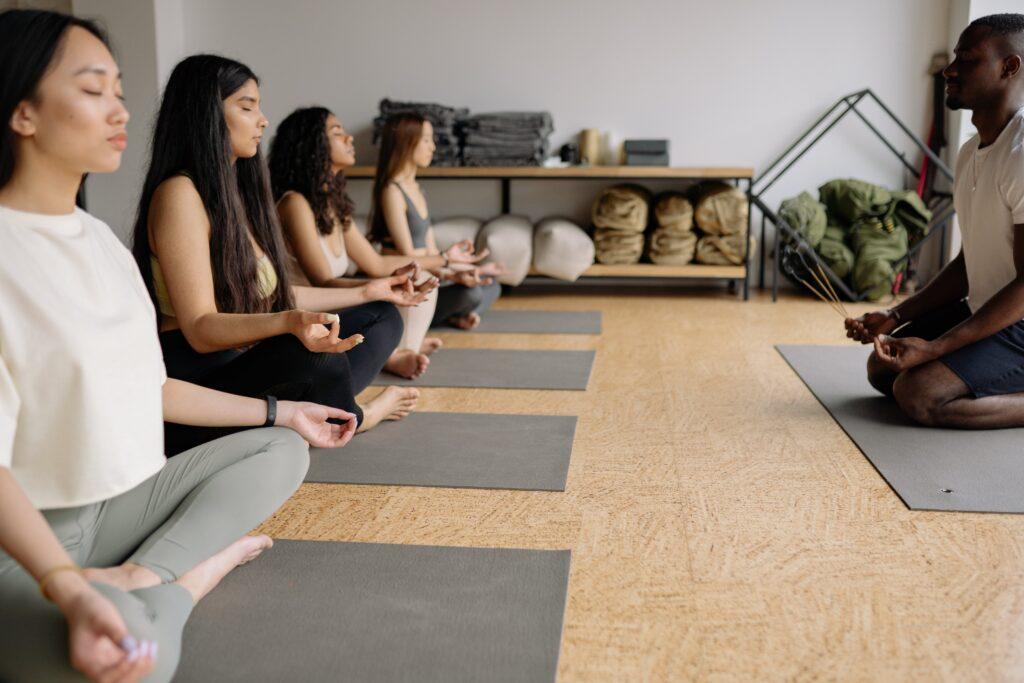
When people consider starting yoga, the first question often is whether to practise at home or at a studio. Both offer benefits, but the environment of a yoga studio Singapore plays a far greater role in shaping your progress than many realise. From the way your mind responds to space and community, to the subtle influence of sounds, scents, and energy, psychology is as important as technique in yoga.
Why Environment Matters in Yoga Practice
Yoga is not only physical exercise, it is also a mental discipline. The environment around you directly impacts how focused and committed you remain. A studio is intentionally designed to create an atmosphere that encourages concentration, reduces distractions, and supports a steady flow of energy. At home, the pull of household chores, family noise, or even your phone can easily break your rhythm.
Psychological studies confirm that people form habits faster when they practise them in a consistent and purpose-driven space. A studio acts as that dedicated space, reinforcing your identity as a yoga practitioner every time you walk in.
The Role of Ambience in Mental Focus
The ambience of a studio is carefully created to promote mindfulness. Elements such as lighting, temperature, and décor are not aesthetic luxuries but psychological cues. Soft, warm lighting calms the nervous system, while uncluttered interiors reduce mental chatter. Flooring choices and wall colours influence comfort levels and stability.
Even scents play a role. Studios often use essential oils like lavender or sandalwood, which have proven calming effects on the brain. These subtle touches prepare your mind to transition from the chaos of daily life to the calm focus of yoga.
Shared Energy and the Power of Group Practice
Practising alone can sometimes feel isolating, especially when motivation dips. A studio setting gives you the psychological boost of shared energy. When you see others breathing, stretching, and holding poses alongside you, the brain registers collective effort as encouragement.
This shared rhythm taps into what psychologists call “social facilitation,” where people perform better in the presence of others. It is one of the reasons why even advanced practitioners continue attending classes rather than practising solely at home.
Building Accountability Through Community
Beyond energy, community builds accountability. Knowing that an instructor and fellow students expect your presence helps overcome inertia. It is much harder to skip a class when you have committed to showing up. This accountability fosters discipline, which is the foundation of long-term yoga success.
Instructor Guidance and Psychological Assurance
Another significant advantage of a studio environment is the presence of qualified instructors. For beginners, the assurance that someone is watching and correcting reduces anxiety about doing poses incorrectly. For advanced students, subtle adjustments or reminders can help break through mental blocks.
This psychological reassurance translates into deeper confidence, which often accelerates progress. At home, doubt can creep in, and small mistakes may remain uncorrected, leading to frustration or even injuries.
Ritual and Consistency as Motivational Tools
Attending classes at a studio creates a ritual. Packing your mat, travelling to the studio, and entering the space becomes a sequence that conditions the mind. Over time, this ritual acts as a psychological trigger. The moment you step into the studio, your body and mind prepare for practice automatically.
Consistency is one of the hardest aspects of any fitness journey. A studio anchors your schedule, turning yoga from an occasional activity into a regular lifestyle.
Reducing Distractions for Deeper Practice
In a city as fast-paced as Singapore, mental clutter can be overwhelming. A studio environment provides separation from the distractions of home. There are no doorbells, children calling, or dishes waiting to be washed. The act of physically leaving your home and entering a studio signals to the brain that this is your personal time.
This separation supports a deeper state of mindfulness, allowing practitioners to immerse themselves fully in breathwork, asanas, and meditation without interruption.
The Subtle Influence of Soundscapes
Sound plays a powerful role in yoga psychology. Instructors use carefully selected music, chants, or even silence to create the right atmosphere. A balanced soundscape can slow your breathing, guide your rhythm, and ease mental stress.
At home, outside noises such as traffic or television often disturb the flow. In a studio, acoustics are intentionally managed, ensuring that sound enhances rather than distracts from practice.
From Beginner to Advanced: The Psychological Journey
The journey of yoga is not just about flexibility or strength, but also about mental growth. Beginners benefit from encouragement and reassurance, while advanced practitioners draw motivation from the energy of peers and the corrections of instructors.
A studio nurtures both groups differently but with the same result: continued growth. It becomes a safe space for self-discovery, where challenges are met with guidance and progress is celebrated within a community.
How Studios Foster Belonging and Identity
Humans are social beings who thrive on belonging. Regularly attending a studio builds not just a practice, but an identity. When you join a class, you become part of a community with shared values of health, mindfulness, and growth. This sense of belonging strengthens your resolve to continue, especially during difficult phases of life.
Studios are not just physical spaces, they are psychological anchors. They remind you that you are not alone on your journey.
The Long-Term Impact of Studio Practice
Practising in a studio consistently creates long-term benefits beyond physical health. It cultivates discipline, reduces stress, and enhances resilience. The supportive environment conditions your brain to associate yoga with peace and clarity. Over months and years, this psychological reinforcement shapes not just your practice, but also your outlook on life.
For many in Singapore, studios like Yoga Edition provide this structured yet nurturing space, where the mind learns to slow down and the body learns to open up. The effects ripple far beyond the mat, influencing how you respond to challenges in everyday life.
FAQs on Practising in a Yoga Studio Singapore
Q1. Why can’t I just practise yoga at home if I have space and a mat?
A home setup is convenient, but it often lacks the intentional environment of a studio. The ambience, shared energy, and instructor guidance you get in a studio are psychological reinforcements that keep you consistent and motivated in the long run.
Q2. I am introverted. Will practising in a group distract me?
Most studios maintain a calm and respectful atmosphere. Group practice is not about competition but about shared energy. Even introverts benefit from silent encouragement, while still focusing inwardly.
Q3. How does studio ambience really affect focus?
Lighting, temperature, scent, and uncluttered space are designed to reduce external stimuli. This allows the brain to conserve attention for breath and movement, creating deeper focus than a typical home environment.
Q4. Does attending classes at a studio help with stress management?
Yes. The act of leaving home, entering a dedicated space, and practising among others creates a strong mental boundary. This separation reduces stress and allows for better relaxation and recovery.
Q5. What if I travel often or have irregular hours? Can I still benefit from a studio?
Many studios in Singapore offer flexible schedules and package options. Even attending once or twice a week can provide the psychological anchor you need, while supplementing with home practice when necessary.
