

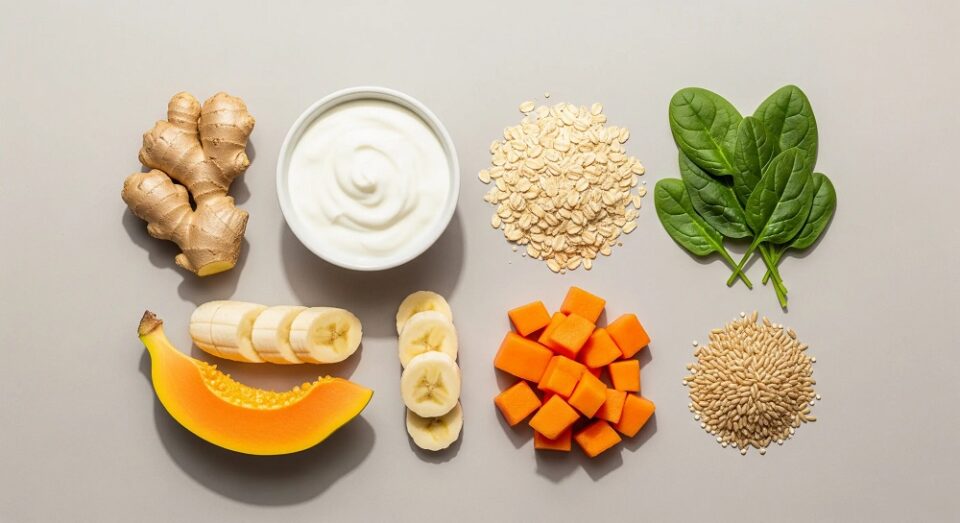
The human digestive tract and systemic energy production are fundamentally bound together in a continuous biological feedback loop. The gastrointestinal tract is responsible for breaking down food, absorbing micronutrients, and managing the delicate gut microbiome. When digestion is compromised by poor food choices, rapid eating habits, or chronic stress, the body must divert a massive amount of metabolic energy away from cognitive and physical functions simply to process the heavy load. This metabolic drain is a primary driver of the common post-meal energy crash, chronic daytime fatigue, and systemic brain fog.
Conversely, implementing targeted nutrition strategies stabilizes blood glucose, unburdens the digestive tract, and optimizes mitochondrial energy synthesis. Transitioning away from quick-fix energy options like refined sugars and excessive caffeine allows individuals to tap into steady, natural energy stores that last throughout the day while actively soothing the digestive system.
The Critical Balance of the Gut Microbiome
The human colon houses trillions of active microorganisms collectively known as the gut microbiota. This complex ecosystem does not merely assist with waste elimination; it serves as a central regulatory hub for physical health, immune response, and overall mood stability. These microorganisms break down complex dietary fibers that the human stomach cannot process on its own, synthesizing short-chain fatty acids like butyrate, acetate, and propionate in the process. These short-chain fatty acids serve as the primary fuel source for the epithelial cells lining the colon, maintaining a strong intestinal barrier and preventing systemic metabolic inflammation.
Optimizing this internal ecosystem requires a balanced, dual-action dietary strategy:
-
Incorporating Probiotic Foods: Consuming live, fermented foods introduces beneficial bacterial strains directly into the digestive tract. Traditional, unpasteurized options such as kimchi, kefir, authentic miso, tempeh, and sauerkraut actively diversify the gut population, improving competitive exclusion against pathogenic microbes.
-
Feeding with Prebiotic Substrates: Probiotics require adequate fuel to thrive and colonize the digestive lining. Prebiotics are non-digestible plant fibers that act as targeted fertilizer for beneficial bacteria. Excellent whole-food prebiotic sources include raw garlic, onions, leeks, under-ripe bananas, dandelion greens, and Jerusalem artichokes.
By consistently supplying the gut with both live cultures and their corresponding fuel sources, individuals can significantly improve nutrient absorption rates. Enhanced absorption ensures that vital energy-producing micronutrients, such as B-complex vitamins, magnesium, and iron, are successfully transported to cells to support mitochondrial ATP synthesis, the foundational molecular currency of daily human energy.
Prioritizing Complex Carbohydrates Over Refined Sugars
Carbohydrates are the body’s preferred and most accessible source of immediate energy. However, the physical structure of the carbohydrate source determines whether it provides steady, long-term vitality or a volatile cycle of energy spikes and crashes.
Refined carbohydrates, including white bread, processed pastries, sugary beverages, and white rice, have been systematically stripped of their natural fiber, vitamins, and minerals. When consumed, these simple starches are broken down into glucose almost instantly within the small intestine, causing a rapid surge in blood sugar levels.
In response to this sudden influx of sugar, the pancreas releases a massive spike of the hormone insulin to clear glucose from the bloodstream and move it into cells. This aggressive hormonal response often causes blood sugar levels to drop below the baseline, resulting in reactive hypoglycemia. Physically, this manifests as sudden fatigue, intense sugar cravings, irritability, and diminished cognitive focus just a few hours after eating.
To establish continuous daily energy, diets should prioritize complex carbohydrates in their unrefined, whole-food forms. Foods like sweet potatoes, steel-cut oats, quinoa, lentils, black beans, and brown rice contain long, intricate chains of glucose molecules tightly bound with dietary fiber. The human digestive system must work methodically to untangle and break down these bonds, resulting in a slow, metered release of glucose into the bloodstream over several hours. This sustained delivery provides the brain and muscles with a steady stream of fuel, completely preventing the metabolic exhaustion associated with processed foods.
Smart Macronutrient Pairings for Blood Sugar Control
While selecting high-quality whole foods is an excellent foundational step, the specific combinations of foods eaten within a single meal play a significant role in digestive comfort and glycemic control. Consuming a carbohydrate source entirely on its own, even a complex one, can still cause a moderate rise in blood glucose.
To achieve maximum energetic stability, every carbohydrate-centric meal should be intentionally paired with clean proteins and healthy, high-density fats.
When protein and fat enter the stomach alongside carbohydrates, they physically alter the dynamics of digestion. Fats trigger the release of cholecystokinin, a hormone that signals the stomach to slow down gastric emptying. This slower digestive pace means that food enters the small intestine gradually, smoothing out the post-meal blood sugar curve.
Proteins require a highly acidic environment and substantial muscular churning in the stomach to break down into individual amino acids, further slowing the digestive timeline. Additionally, protein intake stimulates the production of peptide YY and glucagon-like peptide-1, which are powerful satiety hormones that tell the brain the body is fully nourished, effectively extinguishing mid-afternoon energy slumps and compulsive snacking habits.
The Foundational Role of Hydration and Electrolyte Fluid Dynamics
Chronic fatigue is frequently misdiagnosed as a lack of sleep or a caloric deficit when it is actually the direct result of sub-clinical cellular dehydration. Every metabolic process within the human body, from the enzymatic breakdown of macronutrients in the stomach to the electrical firing of neurons in the brain, requires an aqueous environment to function efficiently.
When fluid intake falls short, blood volume decreases, causing the blood to become thicker and more viscous. This forces the cardiovascular system to work significantly harder, elevating the resting heart rate and expending extra energy simply to pump blood and oxygen to vital organs.
Within the digestive system, proper hydration is an absolute prerequisite for maintaining intestinal motility and preventing constipation. The large intestine is responsible for absorbing excess water from digested food waste. If the body is chronically dehydrated, the colon will pull excessive amounts of water from the stool, leading to uncomfortable, sluggish digestion that leaves individuals feeling heavy, bloated, and lethargic.
To support natural energy, individuals should drink water consistently throughout the day rather than chugging large volumes at once. Furthermore, optimizing fluid balance requires adequate electrolytes, specifically sodium, potassium, and magnesium. These minerals act as cellular gatekeepers, ensuring that the water consumed actually crosses the cell membrane to hydrate internal tissues rather than simply being filtered out by the kidneys.
Implementing Behavioral Mindfulness Practices and Mechanical Chewing
Often, digestive distress and subsequent energy loss are caused less by what a person is eating and more by how they are eating it. Modern lifestyles frequently push individuals to consume meals while working at a computer, answering emails, or driving in a car. This high-stress environment keeps the autonomic nervous system locked in a sympathetic, fight-or-flight state.
When the sympathetic nervous system is dominant, the body actively diverts blood flow away from the stomach, intestines, and liver, prioritizing the skeletal muscles instead. This major reduction in visceral blood flow sharply decreases the production of hydrochloric acid in the stomach and minimizes the secretion of vital pancreatic enzymes.
To reverse this damaging cycle, individuals must consciously transition into a parasympathetic, rest-and-digest state before taking their first bite. Taking three to five slow, deep diaphragmatic breaths before a meal signals the vagus nerve to stimulate digestive activity, increasing salivary flow and gastric secretions.
Additionally, the simple physical act of chewing food thoroughly is a highly effective, often overlooked digestive strategy. The mouth is the true starting point of the digestive tract. Chewing mechanically breaks down large food particles into a smooth, high-surface-area bolus while thoroughly mixing it with salivary amylase, an enzyme that initiates the breakdown of starches.
Aiming to chew each bite twenty to thirty times unburdens the lower digestive organs, drastically reducing the physical energy the stomach and small intestine must expend. This mindful approach prevents post-meal bloating and saves valuable metabolic energy for daily physical and cognitive tasks.
Frequently Asked Questions
Why does drinking large amounts of water during a meal sometimes cause bloating?
Consuming excessive quantities of ice-cold water during a meal can dilute the natural concentration of hydrochloric acid and digestive enzymes within the stomach. This dilution slows down the initial breakdown of proteins and complex structures, leading to delayed gastric emptying and potential bloating. It is best to sip small amounts of room-temperature water during meals and save large fluid intake for the windows between meals.
How do processed zero-calorie artificial sweeteners specifically affect daily energy levels?
While artificial sweeteners do not contain calories or directly raise blood sugar, regular consumption can alter the composition of the gut microbiome. Certain synthetic sweeteners encourage the growth of specific bacterial strains that can impair insulin sensitivity over time. Additionally, the intense sweet taste without any actual glucose delivery can confuse brain chemistry, occasionally triggering intense sugar cravings that lead to energy-disrupting snacks later in the day.
Can a lack of dietary fat intake cause chronic afternoon fatigue?
Yes, a diet that is excessively low in healthy fats can lead to chronic afternoon fatigue. Fats are essential for the absorption of fat-soluble vitamins, including vitamins A, D, E, and K, which play crucial roles in overall metabolic health. Furthermore, meals completely lacking in fat are digested very rapidly, causing shorter windows of satiety and more volatile blood sugar fluctuations throughout the day.
What is the metabolic explanation for why a heavy lunch makes a person feel sleepy?
When a person consumes a large or calorie-dense meal, the body must initiate a process called postprandial hyperemia, which significantly increases blood flow to the digestive organs to assist with breakdown and nutrient transport. This shifts a portion of the circulating blood volume away from the brain and skeletal muscles. If the meal was also high in refined carbohydrates, the subsequent insulin spike can increase the brain’s uptake of tryptophan, which converts into melatonin and induces sleepiness.
How does chronic psychological stress affect the physical lining of the intestines?
Chronic psychological stress triggers the continuous systemic release of corticotropin-releasing hormone and cortisol. These hormones can compromise the structural integrity of the tight junctions that hold the intestinal epithelial cells together. When these barriers weaken, a condition often called increased intestinal permeability can occur, allowing undigested food particles and bacterial toxins to enter the bloodstream, which incites low-grade inflammation and persistent fatigue.
Are raw vegetables always better for digestion than cooked vegetables?
While raw vegetables contain higher levels of certain heat-sensitive vitamins and active live enzymes, they are also significantly harder for a compromised digestive tract to break down due to their tough, intact cellulose fiber walls. For individuals experiencing regular bloating, gas, or sluggish digestion, lightly steaming, roasting, or stewing vegetables breaks down these tough fibers externally, making the nutrients much easier to absorb while reducing strain on the stomach.
