

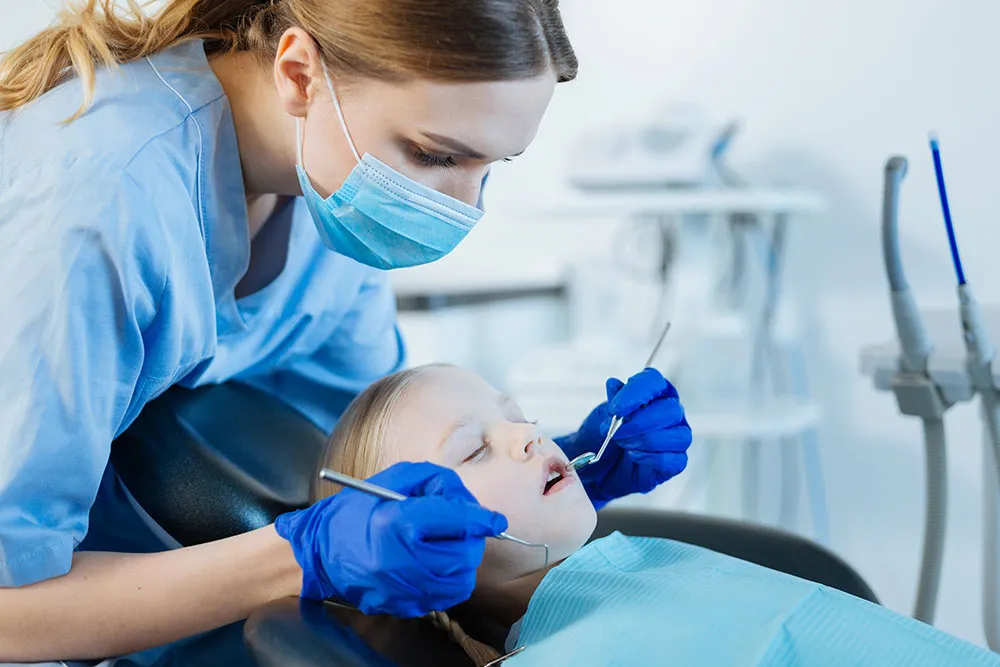
Dental procedures often require more than just precision and skill; they also call for effective pain management to ensure patient comfort and safety. For complex procedures such as oral surgery and treatments involving children, the role of anesthesia becomes especially vital. Dental anesthesia for oral surgery and pediatric patients involves carefully chosen methods that help reduce pain, manage anxiety, and create a smooth treatment experience. Understanding the different forms of anesthesia, how they are administered, and the special considerations for younger patients is essential for anyone seeking or providing dental care.
The Role of Anesthesia in Oral Surgery
Oral surgery often includes procedures such as wisdom tooth extractions, dental implant placement, and corrective jaw surgery. Each of these treatments can involve significant manipulation of the teeth, gums, or bone, making anesthesia a necessary part of the process. Local anesthesia is one of the most common approaches, providing targeted numbing to the specific area being treated. This allows patients to remain conscious while not feeling pain in the surgical site.
For more invasive surgeries, however, sedation or general anesthesia may be required. Sedation helps relax the patient, reducing fear and discomfort, while general anesthesia places the patient in a controlled unconscious state, ensuring that no pain or awareness occurs during the procedure. The decision on which form of anesthesia to use depends on factors such as the complexity of the surgery, the patient’s overall health, and their comfort level with dental treatment.
Dental anesthesia for oral surgery and pediatric patients must also account for safety protocols. Dentists and oral surgeons conduct a thorough review of the patient’s medical history, allergies, and any underlying health conditions before deciding on the right anesthesia approach. This ensures the procedure can be carried out smoothly with minimal risk of complications.
Special Considerations for Pediatric Patients
Children often experience heightened anxiety during dental visits, and this can make even simple procedures challenging. For pediatric patients, the role of anesthesia is not only about managing pain but also about helping them remain calm and cooperative during treatment. Dental anesthesia for oral surgery and pediatric patients is tailored to suit the needs of younger individuals, considering both their emotional state and physical development.
In many cases, dentists may recommend nitrous oxide, commonly known as laughing gas, to help children feel relaxed without losing consciousness. It provides a mild sedative effect and wears off quickly once the procedure is complete. For more extensive treatments, oral sedation or intravenous sedation might be necessary. These options allow children to stay in a deeply relaxed state, with little to no memory of the procedure, while still maintaining protective reflexes.
When oral surgery is required in children, such as the removal of impacted teeth or the correction of developmental dental issues, general anesthesia may be chosen. This ensures the child remains completely still and pain-free during the operation. However, using general anesthesia requires strict monitoring by an anesthesiologist or trained dental professional to guarantee safety throughout the procedure. The use of dental anesthesia for oral surgery and pediatric patients must always balance effectiveness with the highest standards of safety, since children are more sensitive to dosages and physiological changes.
Safety Measures and Advancements in Anesthesia
Modern dentistry has made significant advancements in anesthesia, improving both patient comfort and safety. Dentists today use precise dosage calculations, advanced monitoring equipment, and well-established protocols to ensure effective and secure treatment outcomes. For patients undergoing oral surgery, vital signs such as heart rate, oxygen levels, and blood pressure are carefully tracked during anesthesia. This monitoring minimizes the likelihood of complications and provides reassurance for patients and families.
In pediatric dentistry, safety is particularly important due to the unique physiological differences between children and adults. Dental anesthesia for oral surgery and pediatric patients often requires lower dosages and specialized delivery methods. Anesthetic agents are chosen based on how they interact with a child’s developing body, ensuring effective results without unnecessary risks. Parents are also given detailed preoperative and postoperative instructions to prepare children for anesthesia and assist with recovery afterward.
Beyond traditional approaches, new developments continue to enhance the field. Minimally invasive sedation methods, computer-assisted delivery systems for local anesthesia, and improved anesthetic agents have all contributed to safer and more comfortable dental care. These innovations mean that patients, whether adults undergoing oral surgery or children receiving necessary treatments, can expect reduced discomfort and faster recovery.
Preparing Patients and Families for Anesthesia
A critical part of using dental anesthesia for oral surgery and pediatric patients is communication. Before any procedure, dentists or oral surgeons discuss the anesthesia plan in detail with the patient or the child’s parents. This conversation covers the type of anesthesia recommended, what to expect during the procedure, and how recovery will be managed. Providing clear explanations helps reduce fear and builds trust between the dental team and the patient.
For children, preparation often includes helping them understand the process in simple, reassuring language. Parents may be advised on when the child should stop eating or drinking before anesthesia and what steps to follow after the procedure. Recovery instructions typically involve rest, hydration, and close observation to ensure the effects of anesthesia wear off smoothly. By offering this guidance, dental professionals not only improve patient outcomes but also strengthen the overall care experience.
The Importance of Expertise in Dental Anesthesia
The success of anesthesia in dentistry relies heavily on the skill and experience of the provider. Dental professionals who administer anesthesia must have specialized training and certification to handle different methods safely. This expertise is especially important when dealing with children, who require unique care and attention. Choosing a dentist or oral surgeon experienced in dental anesthesia for oral surgery and pediatric patients provides peace of mind and ensures that every aspect of treatment is handled with precision.
With the right approach, anesthesia can transform dental procedures from intimidating experiences into manageable, comfortable treatments. Whether it involves managing pain during oral surgery or calming an anxious child, anesthesia plays a central role in delivering effective and compassionate dental care.
