

What exercise, time, and skin treatments can realistically do, and when to consider talking to a surgeon.
Rapid weight loss with GLP-1 medications can leave loose skin on the stomach, arms, thighs, face, and breasts. Strength training, healthy nutrition, and time can improve how the body looks, and some skin treatments offer mild tightening. But significant excess skin usually doesn’t shrink back on its own. Once your weight is stable, a board-certified plastic surgeon can explain surgical options.
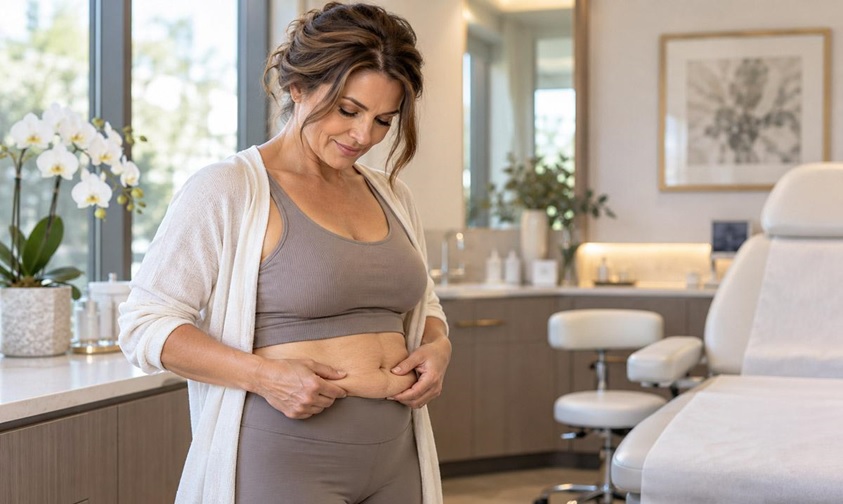
GLP-1 medications have helped many people lose significant weight, sometimes faster than they ever expected. It’s a real achievement. But for many, the scale isn’t the end of the story. Loose, sagging skin can make it especially challenging to enjoy the results you worked so hard for.
Board-certified plastic surgeon Dr. Siamak Agha, who leads The One Plastic Surgery Center in Newport Beach, works with many patients asking about loose skin after medication-assisted weight loss. Understanding what actually helps and what doesn’t can save time, money, and frustration.
Key Takeaways
- Rapid weight loss can leave loose skin because the body may not contract quickly enough to match fat loss.
- Strength training can improve body shape by building muscle, but it can’t remove excess skin.
- Creams and most non-surgical treatments offer mild improvement at best for significant laxity.
- Surgical skin removal is usually considered once weight has been stable for several months.
Why Loose Skin Happens
Skin stretches as the body gains weight. Over time, the collagen and elastic fibers that help it bounce back can become weakened. When weight is lost, especially quickly, the skin may not contract enough to fit the smaller body.
Several factors affect how much loose skin you’ll have:
- How much weight you lost
- How quickly you lost it
- Your age, since skin elasticity declines over time
- Genetics
- Sun exposure and smoking history
- How long the weight was carried
Common areas include the abdomen, upper arms, inner thighs, breasts, buttocks, neck, and face.
What Helps
Strength Training
Building muscle can fill out some of the space left by fat loss and improve overall shape. It also supports metabolism and helps maintain weight loss. While it won’t remove loose skin, it can make a noticeable difference in how your body looks and feels.
Adequate Protein and Hydration
Protein supports muscle maintenance, which is especially important during rapid weight loss. Staying hydrated and eating a balanced diet also support skin health. Talk with your prescribing doctor or a dietitian about your needs.
Time
Skin may contract somewhat over months after weight loss, especially in younger people with good elasticity. It’s reasonable to give your body time before deciding on surgery.
Sun Protection and Not Smoking
Protecting your skin from further damage helps preserve the elasticity you have.
Exercise can reshape the muscle underneath, but it can’t remove skin that has been stretched too far.
What Doesn’t Help Much
Firming Creams
Topical products may improve skin hydration and texture, but they can’t meaningfully tighten significant loose skin.
Rapid “Skin Tightening” Promises
Some non-surgical devices, such as radiofrequency or ultrasound treatments, may offer mild tightening for small areas of laxity. For large amounts of excess skin, these treatments usually provide only limited results. Be cautious of claims that these treatments can replace surgery.
More Weight Loss
If you’re already at a healthy weight, losing more usually won’t fix loose skin and may make it more noticeable.
When to Consider Surgery
Surgery may be worth exploring if there is loose skin:
- Causes rashes, chafing, or skin infections
- Makes exercise uncomfortable
- Affects how clothing fits
- Affects your confidence or quality of life
The American Society of Plastic Surgeons emphasizes waiting until your weight has stabilized before body contouring. For GLP-1 users, that often means discussing your medication plan with your prescribing doctor first.
Common Procedures
- Tummy tuck or panniculectomy for the abdomen
- Arm lift for the upper arms
- Thigh lift for the inner thighs
- Breast lift for sagging breasts
- Lower body lift for the abdomen, hips, and buttocks together
- Facelift or neck lift for facial changes
For people with loose skin in many areas, a staged plan or a total body lift after weight loss may be recommended. These procedures are often done in phases to improve safety.
The best time to remove loose skin is after your weight has settled, not while it’s still changing.
Preparing for a Consultation
To make the most of your visit:
- Bring your weight history and current medications
- Note which areas bother you most
- Share any skin problems like rashes or infections
- Ask about staging, recovery, and scars
A board-certified plastic surgeon can help you prioritize areas and create a plan that fits your health and goals.
The Bottom Line
Loose skin after GLP-1 weight loss is common and not a sign that you did anything wrong. Strength training, proper nutrition, and time can improve how your body looks, but you usually need surgery to remove significant excess skin. Once your weight is stable, a consultation can help you understand your options.
This article is for educational purposes only and is not medical advice. Results vary by person. Talk with your doctor before making changes to your medications, and consult a board-certified plastic surgeon about surgical options.
About the expert:- Dr. Siamak Agha is a board-certified plastic surgeon who leads The One Plastic Surgery Center in Newport Beach, California. He has extensive experience in body contouring after major weight loss.
