

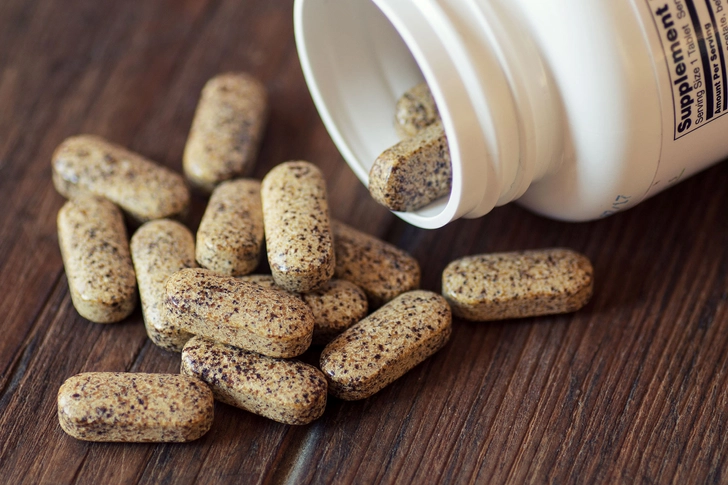
Maintaining an active lifestyle requires a complex balance of physical effort, proper rest, and meticulous nutritional support. A well-planned, whole-food diet centered around lean proteins, complex carbohydrates, healthy fats, and a variety of colorful vegetables forms the undeniable foundation of human health. However, even the most disciplined individuals often face nutritional gaps due to modern agricultural practices, food transport timelines, indoor working environments, and the elevated metabolic demands of intense physical training.
Dietary supplements serve as targeted interventions designed to bridge these nutritional gaps, protect physiological systems, and optimize athletic recovery. Rather than viewing supplements as magical shortcuts or replacements for real food, active individuals must understand them as precision tools. When used strategically alongside a foundational diet, supplements can significantly enhance physical resilience, cognitive focus, and long-term vitality.
Bridging the Micronutrient Gap for Systemic Function
Micronutrients, which encompass essential vitamins and minerals, act as the spark plugs for countless biochemical reactions across the human body. They regulate cell division, manage muscle contractions, support bone tissue remodeling, and govern energy production within the cellular mitochondria. When an individual engages in regular, high-intensity exercise, their body processes nutrients at an accelerated rate, increasing the daily demand for key micronutrients.
Several micronutrients are particularly critical for individuals leading an active lifestyle:
-
Vitamin D3: This fat-soluble vitamin acts more like a hormone, playing a foundational role in calcium absorption, bone mineralization, skeletal muscle protein synthesis, and natural testosterone production. Because modern lifestyles involve extensive indoor time, sub-clinical Vitamin D3 deficiencies are widespread, impairing muscular power output and lowering immune defense.
-
Magnesium: Magnesium is involved in hundreds of enzymatic reactions, making it crucial for proper muscle relaxation, cardiac rhythm management, and nervous system calm. Intense sweating during training expels magnesium rapidly, which can lead to localized muscle cramping, restless sleep, and delayed recovery if not replenished.
-
Omega 3 Fatty Acids: High-quality fish oil or algal oil supplements supply the body with eicosapentaenoic acid and docosahexaenoic acid. These essential fatty acids integrate into cellular membranes, exerting a powerful systemic anti-inflammatory effect that helps protect joints and supports cardiovascular elasticity under physical stress.
Optimizing Athletic Performance and Skeletal Muscle Repair
For individuals focused on progressive strength development, power output, or athletic endurance, certain performance-oriented supplements offer clear, evidence-based benefits. These compounds do not build muscle or burn fat on their own, but they allow athletes to train at a higher capacity, which ultimately drives superior physical adaptations over time.
Creatine monohydrate stands as one of the most thoroughly researched and clinically validated supplements in existence. When consumed regularly, creatine increases the body’s internal stores of phosphocreatine within skeletal muscle tissue. This compound serves as an immediate, rapid substrate for the reproduction of adenosine triphosphate, the primary energy molecule used during short, explosive bursts of activity like heavy weightlifting or sprinting. By accelerating cell-level energy recycling, creatine allows individuals to squeeze out extra repetitions, maintaining peak power output longer and stimulating greater muscular development.
Protein supplementation, particularly via high-quality whey or plant-based isolates, addresses the crucial post-workout recovery window. Physical training induces microscopic damage to muscle fibers, initiating a process known as muscle protein breakdown. To repair this damage and promote muscle protein synthesis, the body requires a steady supply of essential amino acids, particularly the branched-chain amino acid leucine. Utilizing a portable protein powder provides a rapid, easily digestible source of these building blocks, making it highly efficient for busy individuals to hit their elevated daily protein targets.
Protecting Joint Integrity and Connective Tissue Long Term
An active lifestyle places repetitive mechanical stress on the skeletal framework, including the knees, hips, shoulders, and spine. While the muscular system adapts relatively quickly to exercise due to its rich, direct blood supply, connective tissues like tendons, ligaments, and articular cartilage possess a much lower vascular density. This means that joints require a significantly longer timeline to repair and recover from heavy structural loading.
To prevent long-term wear and tear, many active adults incorporate specific joint-support supplements. Hydrolyzed collagen peptides have gained significant scientific backing for their ability to support connective tissue health. When consumed, these broken-down collagen fragments supply the body with high concentrations of specific amino acids like glycine, proline, and hydroxyproline. Research indicates that these peptides cross the intestinal barrier and accumulate preferentially in cartilage tissue, where they stimulate local chondrocytes to synthesize new extracellular matrix, maintaining joint cushion and flexibility over decades of training.
The Critical Importance of Third Party Verification
The dietary supplement industry operates under a unique regulatory framework where products do not require pre-market approval from federal agencies before hitting retail shelves. This regulatory structure places the burden of quality control entirely on the manufacturing brands, creating a marketplace where product purity, accuracy of dosing, and overall safety can vary dramatically between companies.
To protect their health and avoid consuming harmful contaminants, consumers must look for products that feature independent, third-party verification seals on their labels. Organizations such as the US Pharmacopeia, NSF International, and ConsumerLab conduct rigorous, independent laboratory testing on supplement batches. These certifications guarantee that the product contains the exact ingredients listed on the label in the correct quantities, and confirm the absolute absence of heavy metals, toxic pesticides, micro-plastics, or unlisted prescription substances.
Integrating Supplements Safely into Your Daily Routine
Maximizing the safety and efficacy of a supplement regimen requires an organized, individualized approach. The most common mistake is adopting a shotgun strategy, where a person consumes a massive array of pills and powders based on passing trends without evaluating their specific biological data. A truly effective regimen begins with targeted blood testing guided by a qualified healthcare provider to pinpoint authentic nutrient deficiencies.
Furthermore, consumers must pay close attention to the timing and absorption dynamics of each compound. For instance, fat-soluble vitamins like Vitamin D3 and Omega-3 fatty acids require the presence of dietary fats to be absorbed efficiently through the intestinal wall, meaning they should always be consumed alongside a whole-food meal. Conversely, certain minerals can compete for the same cellular pathways; consuming massive doses of calcium simultaneously with iron can impair the absorption of both, highlighting the value of structured, educated dosing schedules.
Frequently Asked Questions
Can taking a high-quality multivitamin completely offset a poor diet lacking in vegetables?
A multivitamin cannot replicate or substitute for the complex nutritional matrix found in whole vegetables and fruits. Whole foods contain thousands of synergistic phytochemicals, active food enzymes, and diverse dietary fibers that are completely absent from isolated synthetic vitamins. Multivitamins should be viewed strictly as a minor safety net, not a license to consume a highly processed diet.
Why does taking a high-dose Vitamin B complex turn urine a bright neon yellow color?
The bright neon yellow discoloration is caused by Vitamin B2, which is scientifically known as riboflavin. Riboflavin is a water-soluble vitamin, meaning the human body cannot store excess amounts in tissue. When you consume a supplement containing more riboflavin than your cells can immediately utilize, the kidneys filter out the excess and safely excrete it through the urine, which is a completely harmless physiological response.
Is it completely safe to consume pre-workout energy powders every single day?
Regular, daily consumption of high-stimulant pre-workout powders can lead to the development of a strong tolerance to caffeine, forcing you to consume higher doses to achieve the same energetic effect. Over time, this chronic over-stimulation can strain the adrenal system, elevate baseline anxiety levels, and significantly disrupt deep sleep architecture. It is highly recommended to cycle your use of pre-workout supplements or reserve them exclusively for your most demanding training sessions.
How long must an individual take creatine monohydrate before noticing physical performance benefits?
If you follow a standard creatine loading phase, which involves taking twenty grams divided into four daily doses for five to seven days, muscle tissues will reach full saturation rapidly, and you may notice performance improvements within a week. If you choose the more conservative route of taking a standard daily maintenance dose of three to five grams, it will typically take roughly three to four weeks of continuous use to reach full muscular saturation and experience identical performance benefits.
Do plant-based protein powders provide the exact same muscle-building benefits as animal-derived whey?
High-quality plant-based protein powders can build muscle just as effectively as whey protein, provided they feature a complete amino acid profile. Because individual plant sources like pea or rice protein can be naturally low in specific essential amino acids, reputable brands blend multiple plant proteins together to ensure a robust, complete profile that matches the high leucine content of dairy-derived whey.
Can taking excessive doses of zinc supplements cause a secondary mineral deficiency?
Consuming high doses of zinc, typically defined as over forty milligrams per day, over an extended period can cause a serious secondary copper deficiency. Zinc and copper compete directly for the same binding sites on a specific transport protein within the small intestine. An excess of zinc blocks copper from being absorbed, which can eventually lead to neurological issues and impaired red blood cell production.
