

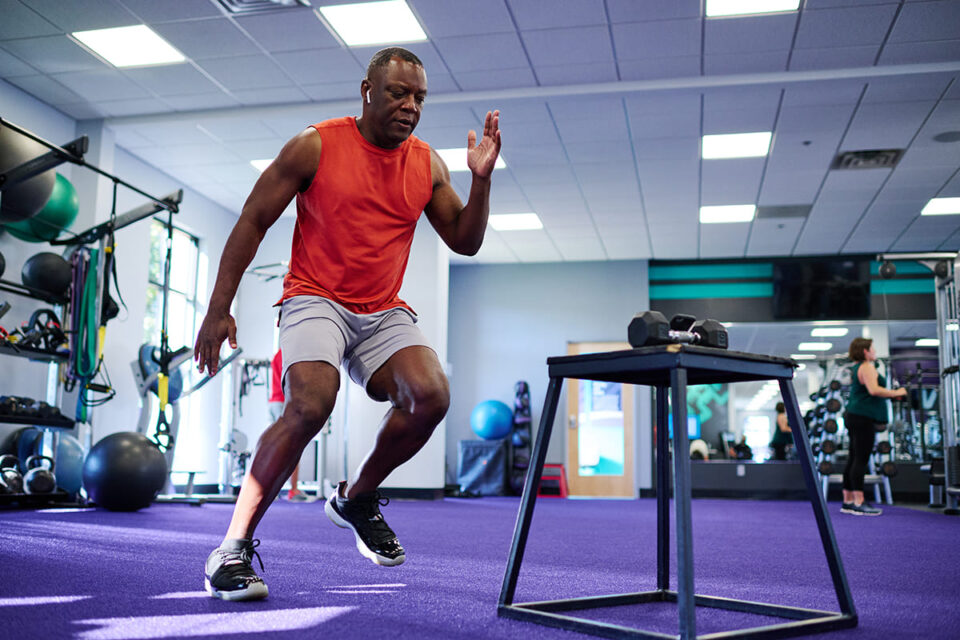
High intensity interval training has become a core part of many serious gym routines, especially in a fast paced city like Singapore where time efficiency matters. HIIT delivers results quickly, but it also places a high demand on the body. This is why understanding training frequency is critical for anyone attending hiit classes singapore on a regular basis.
Unlike casual workouts, HIIT classes push multiple systems at once. Muscles, joints, cardiovascular capacity and recovery mechanisms are all stressed in a short window of time. Training too often can reduce performance and increase injury risk, while training too little limits progress. This article explores realistic frequency limits for HIIT classes in Singapore, based on how the body adapts, lifestyle factors, and how structured classes are designed.
Why HIIT Training Frequency Matters More Than Most People Realise
HIIT compresses a large amount of work into a short duration. In a typical session, participants perform repeated bouts of near maximal effort with limited rest. This creates cumulative fatigue even if the class itself is under an hour.
Key characteristics that make frequency management essential include:
-
High mechanical load from explosive movements
-
Elevated heart rate for sustained periods
-
Limited recovery time between intervals
-
Repeated eccentric muscle actions that increase soreness
Unlike steady state cardio, the body does not recover from HIIT overnight for most adults. This is especially relevant for Singapore residents who balance long work hours, commuting, and screen heavy lifestyles.
Understanding Recovery Capacity in the Singapore Lifestyle Context
Recovery capacity is not fixed. It depends on sleep quality, stress exposure, nutrition, hydration, and daily movement. In Singapore, several common factors reduce recovery margins:
-
Extended desk work with limited mobility
-
Irregular sleep due to shift work or late nights
-
High humidity that increases cardiovascular strain
-
Limited daylight exposure for some professionals
Because of this, training frequency limits for HIIT classes in Singapore are often lower than what people assume from international fitness trends.
How Many HIIT Classes Per Week Is Optimal
For most adults training consistently, the optimal range falls between two and four HIIT classes per week. The exact number depends on training background and recovery habits.
Two Sessions Per Week
This frequency suits individuals who:
-
Are new to structured HIIT formats
-
Combine HIIT with strength or mobility training
-
Have physically demanding jobs
-
Are returning after illness or travel
Two sessions allow the body to adapt while maintaining performance quality.
Three Sessions Per Week
This is the most sustainable option for experienced gym members. It provides:
-
Progressive cardiovascular improvement
-
Strength and power maintenance
-
Adequate recovery time between sessions
Spacing sessions across non consecutive days is usually ideal.
Four Sessions Per Week
This is the upper limit for most people and should be approached carefully. It works best when:
-
Sessions vary in intensity
-
Sleep and nutrition are consistent
-
Other high impact activities are reduced
Beyond four sessions, diminishing returns become more likely for the majority of adults.
Why Daily HIIT Is Rarely Sustainable
Daily HIIT classes may seem appealing, but they often lead to stagnation rather than progress. Common outcomes of excessive frequency include:
-
Declining power output
-
Persistent muscle soreness
-
Reduced motivation during sessions
-
Higher injury risk in knees, hips, and shoulders
The body adapts to stress during recovery, not during training. Without sufficient recovery windows, adaptation slows.
Class Design and Its Role in Frequency Limits
Modern HIIT classes are not random. They are designed with specific work to rest ratios, movement patterns, and progression structures. This is particularly true in professionally programmed environments like those offered by True Fitness Singapore, where class formats are standardised to balance challenge and safety.
Because of this structured design, frequency limits are built into the system. Attending classes too frequently disrupts the intended progression and recovery cycle.
Signs You Are Training HIIT Too Often
Your body usually provides early warning signals before performance drops significantly. Watch for:
-
Slower reaction times during intervals
-
Reduced jump height or sprint speed
-
Lingering joint discomfort rather than muscle soreness
-
Elevated resting heart rate
-
Poor sleep after training days
These signs indicate that frequency may need adjustment.
Balancing HIIT With Other Training Modalities
HIIT should not exist in isolation. The most effective routines in Singapore often combine HIIT with:
-
Resistance training for joint stability
-
Mobility work to counter prolonged sitting
-
Low intensity cardio for recovery
-
Active rest days such as walking or stretching
This balanced approach allows HIIT frequency to remain effective without overwhelming the body.
Weekly Scheduling Strategies That Work
Rather than counting sessions alone, spacing matters. Effective schedules often follow patterns such as:
-
Monday, Wednesday, Friday HIIT
-
Tuesday and Saturday strength or mobility
-
One full rest day per week
This structure aligns well with work schedules and recovery demands common in Singapore.
Environmental Factors That Affect HIIT Frequency
Singapore’s climate plays a role even in indoor gyms. High humidity increases sweat loss and cardiovascular load. This means:
-
Hydration needs increase
-
Perceived exertion rises faster
-
Recovery time may be longer
Ignoring these factors can make even moderate frequency feel excessive.
Long Term Sustainability Over Short Term Intensity
Fitness progress is cumulative. The goal of HIIT classes is not to exhaust the body every week, but to improve capacity over months and years. Sustainable frequency leads to:
-
Consistent performance improvements
-
Fewer injuries and training interruptions
-
Better adherence to long term fitness goals
Real Life FAQ
Q: Can I do HIIT classes on consecutive days if I feel fine?
A: Feeling fine does not always reflect recovery status. Consecutive days may be acceptable occasionally, but doing so regularly increases fatigue accumulation and injury risk.
Q: Does class duration affect how often I can train HIIT?
A: Yes. Shorter sessions with lower volume allow slightly higher frequency, while longer or more intense sessions require more recovery time.
Q: Should HIIT frequency change with age?
A: Recovery capacity generally decreases with age. Many adults over 40 benefit from reducing frequency while maintaining intensity quality.
Q: How should I adjust HIIT frequency during busy work periods?
A: During high stress weeks, reducing HIIT to two sessions helps maintain fitness without overloading recovery systems.
Q: Is it better to reduce intensity or frequency when feeling fatigued?
A: Reducing frequency is often more effective than lowering intensity, as it preserves training quality while allowing recovery.
Q: Can travel disrupt my ideal HIIT frequency?
A: Yes. Travel affects sleep, hydration, and movement patterns. It is wise to reduce HIIT frequency during travel weeks and resume gradually.
By understanding and respecting training frequency limits, HIIT classes in Singapore can remain effective, safe, and sustainable over the long term.
